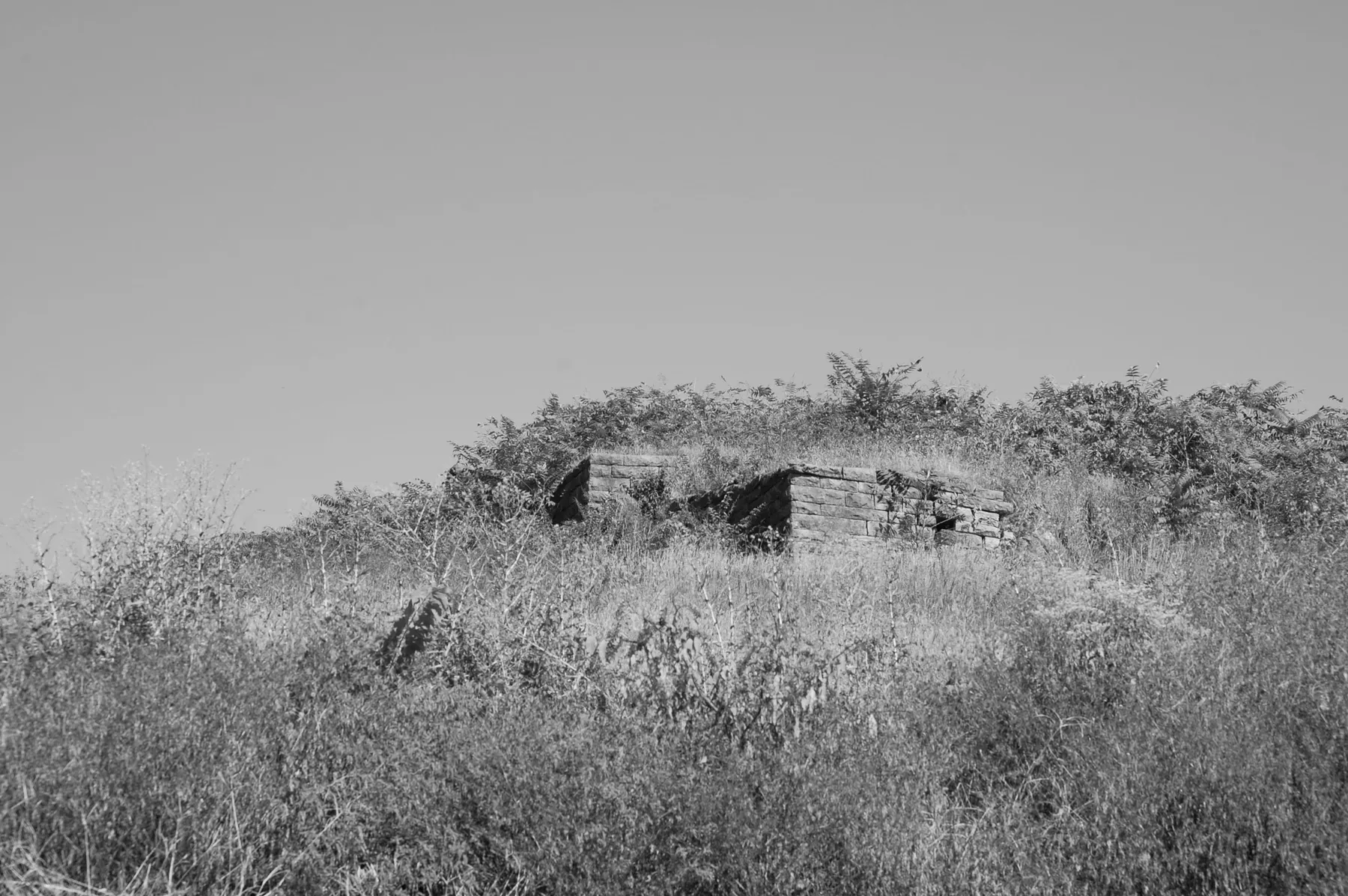
Fort Negley Park
Fort Negley is the stone Union fort built on St. Cloud Hill in 1862, largely by Black laborers, many of them enslaved or forced into service. The park has a visitor center and a paved trail, and it is in the middle of a major renovation. From the lofts it is about 1.8 miles, roughly 4 minutes by car.
Who built the fort
Union Army engineer Captain James St. Clair Morton designed Fort Negley in 1862 as a polygon about 600 by 300 feet, built of earth, stone and timber with underground magazines and storage. It took 62,500 cubic feet of stone and 18,000 cubic feet of earth and cost $130,000. Records show 2,768 Black people officially enrolled in its construction, including enslaved people, newly freed people and free Black workers who were forced to work.
It was the largest inland fort built in the United States during the war. During the Battle of Nashville in December 1864 it was garrisoned in part by African American soldiers, though the main fighting happened on hills farther south. In January 2018 archaeologists found unmarked burials of enslaved workers who built the fort, and the site is listed as a Site of Memory in UNESCO's Slave Route Project.
After the war
Federal troops held the fort until at least 1867. Afterward it became a meeting place for the Ku Klux Klan, which held its last public demonstration there in 1869. The fort fell apart, and many of its stones were used to build the Eighth Avenue Reservoir. The Works Progress Administration restored it in 1936 and 1937, but it was abandoned again. The park reopened to the public on December 10, 2004, and the visitor center was built in 2007.
The 2026 renovation
Metro is expanding the park onto the site of the former Herschel Greer Stadium next door, for a total of 64 acres. Phase one began in February 2026. It removes the old stadium parking lots and seeds them with native meadow grasses, restores the 1930s driveways on Fort Negley Boulevard, moves the main visitor entrance to Chestnut Street and adds a two-acre memorial lawn on the stadium footprint.
During construction the park has stayed open for daylight visits and the visitor center has kept its regular schedule, but construction is phased, so some areas may be closed at times. Check Metro Parks or the Friends of Fort Negley before you go.
Visiting
The visitor center shows films on the Federal occupation of Nashville, the fort and the Battle of Nashville, and it has a gift shop and a fossil collection area with 400-million-year-old fossils. On the grounds, stay on the paved paths and boardwalks. The visitor center keeps limited days and hours that change by season, so check before you go.
Adventure Science Center is next door at 800 Fort Negley Boulevard, and Lane Motor Museum is a short drive east.
- Visitor center films and exhibits
- Paved trail to the fort
- Fossils at the Fort collection area
Questions
Is Fort Negley open during the renovation?
The park has stayed open for daylight visits and the visitor center is on its regular schedule, but parts of the site close during construction. Check Metro Parks or the Friends of Fort Negley for current access.
Who built Fort Negley?
Mostly Black laborers. Records list 2,768 Black people enrolled in the work in 1862, including enslaved people, newly freed people and free Black men forced to work.
Can we walk there from the lofts?
It is about a 36-minute walk south. Most guests drive or take a rideshare, which takes about 4 minutes.
Sources
- Wikipedia, Fort Negley
- Tennessee Encyclopedia, Fort Negley
- Friends of Fort Negley Park, General Information
- WSMV, Major renovation project expanding Fort Negley (October 2024)
- Hoodline, Nashville kicks off Fort Negley park makeover (February 2026)
- Adventure Science Center, Our History
Checked October 6, 2026.
Photo: Jay Vine Quatro, CC BY-SA 4.0, via Wikimedia Commons. Cropped.
More things to do
All 60Nashville Farmers' Market
The Nashville Farmers' Market covers 16 acres beside Bicentennial Capitol Mall State Park, with open-air farm sheds, an air-conditioned Market House of restaurants and shops, and a garden center.

Opry Mills
Opry Mills is a large mall of outlet stores, restaurants and attractions built on the site of the old Opryland theme park, next door to the Grand Ole Opry House and Gaylord Opryland.
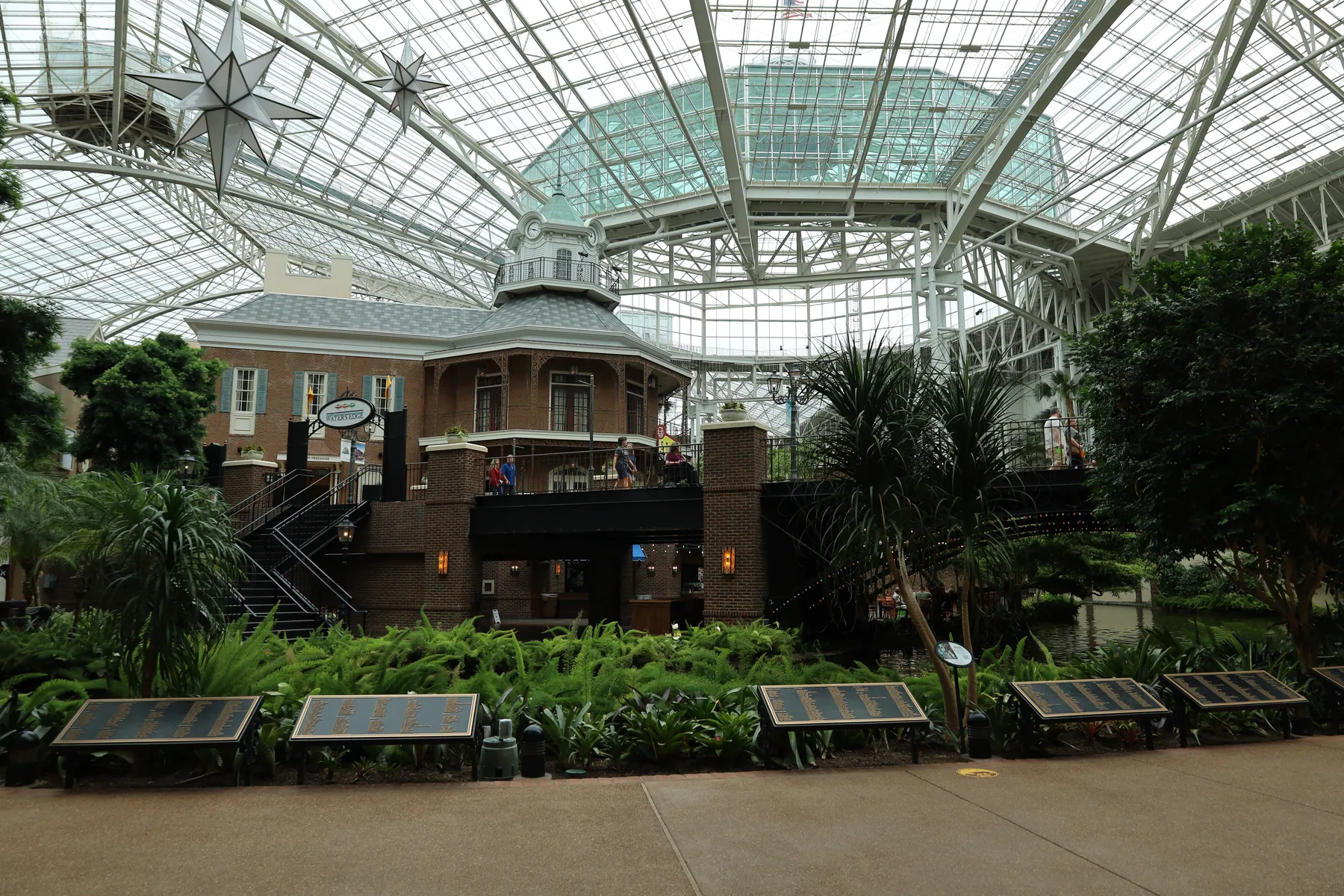
Gaylord Opryland Resort
Gaylord Opryland is a 2,888-room hotel next to the Grand Ole Opry with 9 acres of glass-roofed atriums full of gardens, waterfalls and an indoor river.