A Music History Walk From Printers Alley
This walk starts on the lofts' own block and covers Nashville's music history in about 2.6 miles: the Printers Alley clubs, the corner where the Opry first went on the air, its early homes, the Ryman, the Broadway honky-tonks and the museums south of them. With museum stops, it fills a day.
Morning: Printers Alley and the Opry's first homes
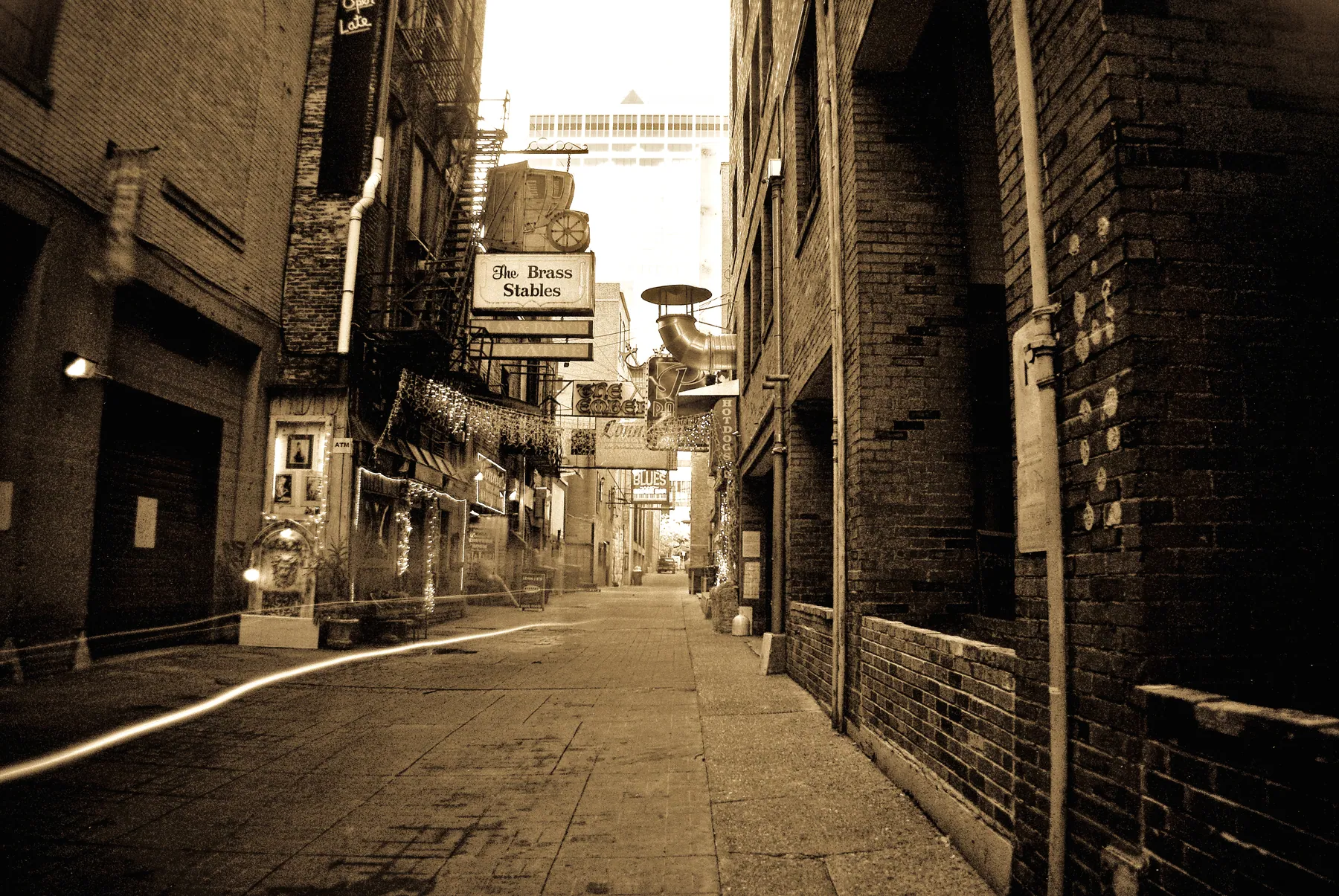
- Printers Alley (on the lofts' block). The alley was the center of Nashville printing from around 1830. Its clubs grew up during Prohibition, and performers there included Chet Atkins, Hank Williams, the Supremes, Jimi Hendrix, Boots Randolph and Dottie West. It became a National Register historic district in 1982.
- Seventh Avenue North and Union Street (about 0.4 mi). WSM's first studios were in the National Life building on this corner; the call letters stood for the company motto, We Shield Millions. The WSM Barn Dance, later the Grand Ole Opry, first aired on Nov. 28, 1925, from a fifth-floor studio. The state's William R. Snodgrass Tennessee Tower stands on the site.
- War Memorial Auditorium, 301 Sixth Ave. N. (about 0.2 mi further). Dedicated in 1925, it was the Opry's fourth home, from 1939 to 1943.
- Municipal Auditorium, 417 Fourth Ave. N. (about 0.2 mi further). It opened in 1962, hosted the first CMA Awards in 1967 and the first Fan Fair, today's CMA Fest, in 1972. Go in for the Musicians Hall of Fame and Museum, which honors session players such as the Nashville A-Team and the Wrecking Crew.
Afternoon: the Ryman, Broadway and the museums
- Ryman Auditorium (about 0.6 mi further). Built as the Union Gospel Tabernacle in 1892, it carried the Opry from 1943 to 1974. Bill Monroe and the Bluegrass Boys played it in 1945, and most episodes of The Johnny Cash Show were taped there from 1969 to 1971. Tours run daily.
- Tootsie's Orchid Lounge, 422 Broadway, behind the Ryman. Tootsie Bess bought the bar in 1960, and the alley from its back door to the Ryman made it a stop for Opry performers; early regulars included Willie Nelson, Kris Kristofferson and Patsy Cline.
- Ernest Tubb Record Shop, 417 Broadway. Open here from 1947, it hosted WSM's Midnite Jamboree after the Opry. It closed in 2022, and a group including Tubb's grandson reopened it with live music on four floors.
- Johnny Cash Museum, 119 Third Ave. S. (about 0.1 mi further), opened in 2013.
- Walk of Fame Park (about 0.2 mi further), where stars in the sidewalk have honored Nashville music figures since 2006.
- Country Music Hall of Fame and Museum (about 0.1 mi further), with Hatch Show Print inside. Charles and Herbert Hatch founded the shop in 1879; it printed posters from behind the Ryman from 1925 to 1992 and moved into the museum in 2013.
- National Museum of African American Music, Fifth + Broadway (about 0.3 mi further), opened in 2021 and covers more than 50 genres.
Evening: back to the alley
Walk back up to Printers Alley (about 0.3 mi). Skull's Rainbow Room, 222 Printers Alley, carries the name of the Rainbow Room that David "Skull" Schulman ran in the alley from the late 1940s, with dinner, burlesque and live music. Today it serves dinner and cocktails, with jazz nightly and burlesque late on Friday through Sunday.
Questions
How long is the walk?
About 2.6 miles in a loop from Printers Alley, roughly 51 minutes of walking. Add an hour or more for each museum you enter.
Where did the Grand Ole Opry start?
As the WSM Barn Dance, first aired Nov. 28, 1925, from a fifth-floor studio in the National Life building at Seventh Avenue North and Union Street, about 0.4 mi from the lofts.
Which Opry homes are on this walk?
Three of them: the National Life studio (1925-1934), War Memorial Auditorium (1939-1943) and the Ryman (1943-1974). Since 1974 it has played at the Grand Ole Opry House.
Sources
- Wikipedia, Printer's Alley
- Wikipedia, National Life and Accident Insurance Company
- Wikipedia, Grand Ole Opry
- Wikipedia, War Memorial Building (Nashville, Tennessee)
- Wikipedia, Nashville Municipal Auditorium
- Wikipedia, CMA Music Festival
- Musicians Hall of Fame and Museum, official site
- Wikipedia, Ryman Auditorium
- Wikipedia, Tootsie's Orchid Lounge
- Wikipedia, Ernest Tubb Record Shop
- Ernest Tubb Record Shop, official site
- Wikipedia, Johnny Cash Museum
- Wikipedia, Music City Walk of Fame
- Wikipedia, Hatch Show Print
- Wikipedia, National Museum of African American Music
- Skull's Rainbow Room, official site
Checked October 6, 2026.
Photo: Isaac777, CC BY-SA 3.0, via Wikimedia Commons. Cropped.
More itineraries
All 8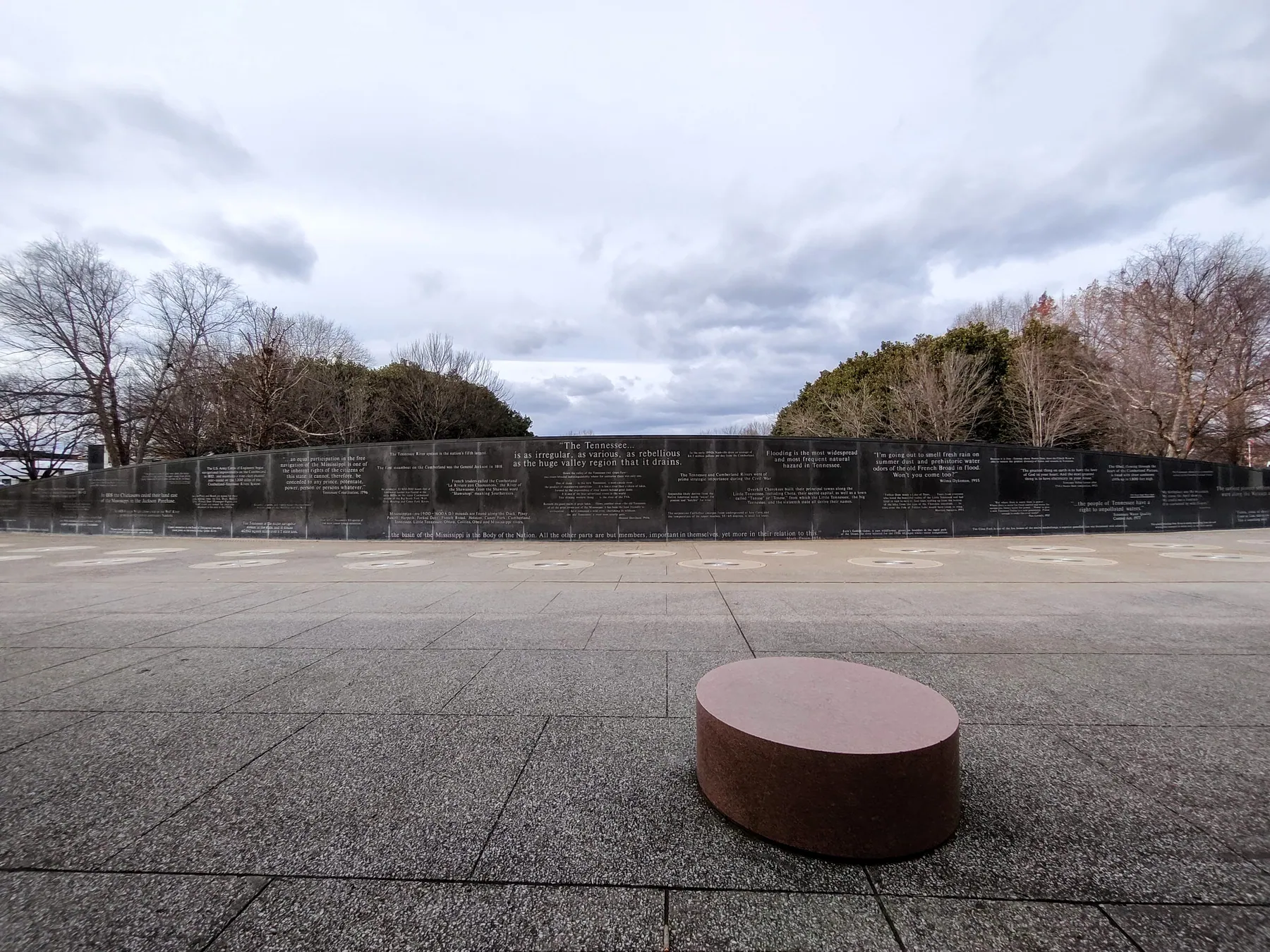
A Family Day in Nashville
This day is built around kids and stays mostly within a mile of the lofts: a free state museum, a map of Tennessee you can walk across, lunch at the Farmers' Market, hands-on art or science in the afternoon and a ballgame or early live music at night.
One Day in Downtown Nashville
Everything in this day sits within about 0.7 mi of the lofts, so you can leave the car parked.
Two Days in Nashville
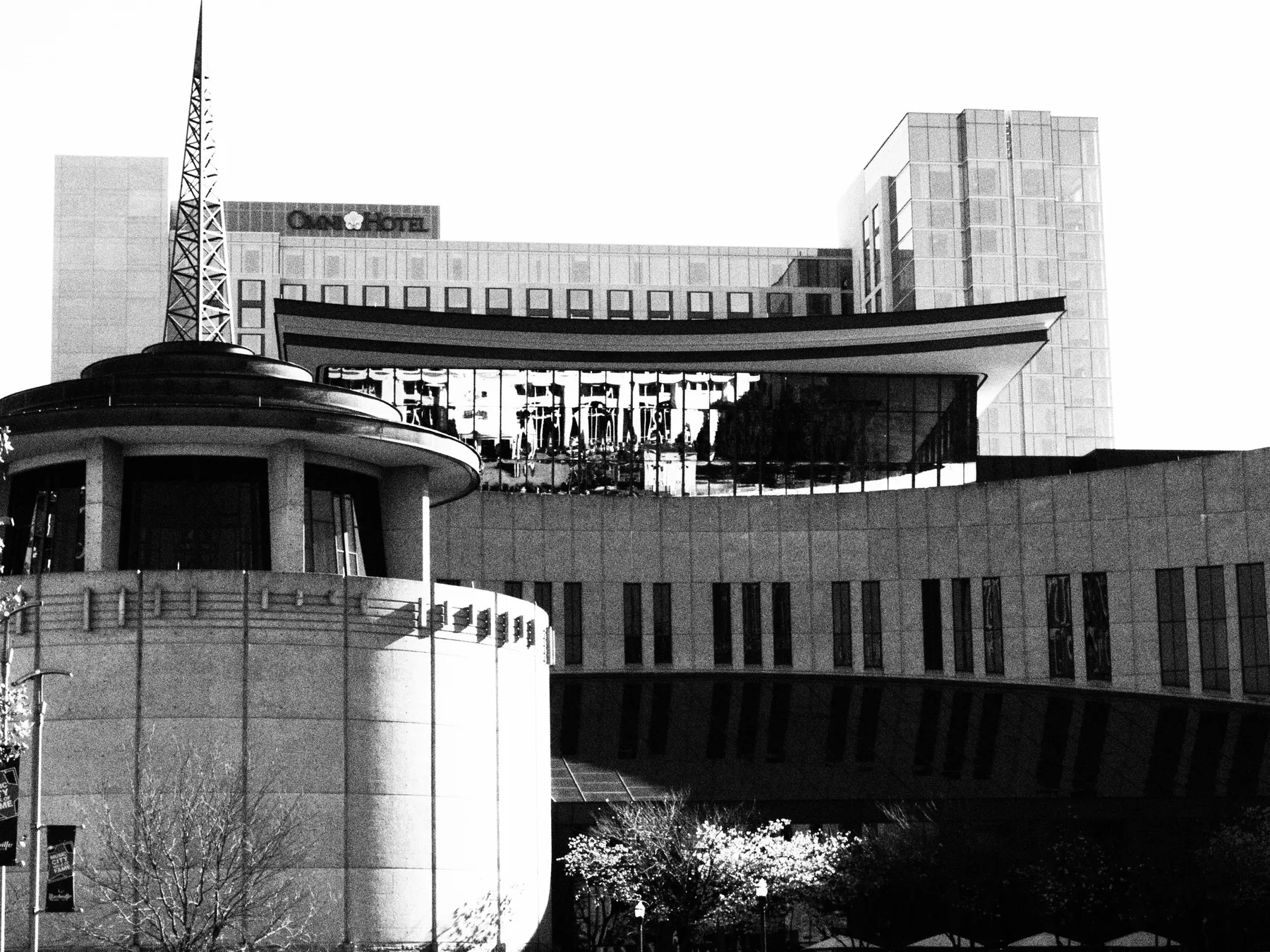
Two days lets you split Nashville into its music core and its history district, both on foot from the lofts.