Downtown Presbyterian Church
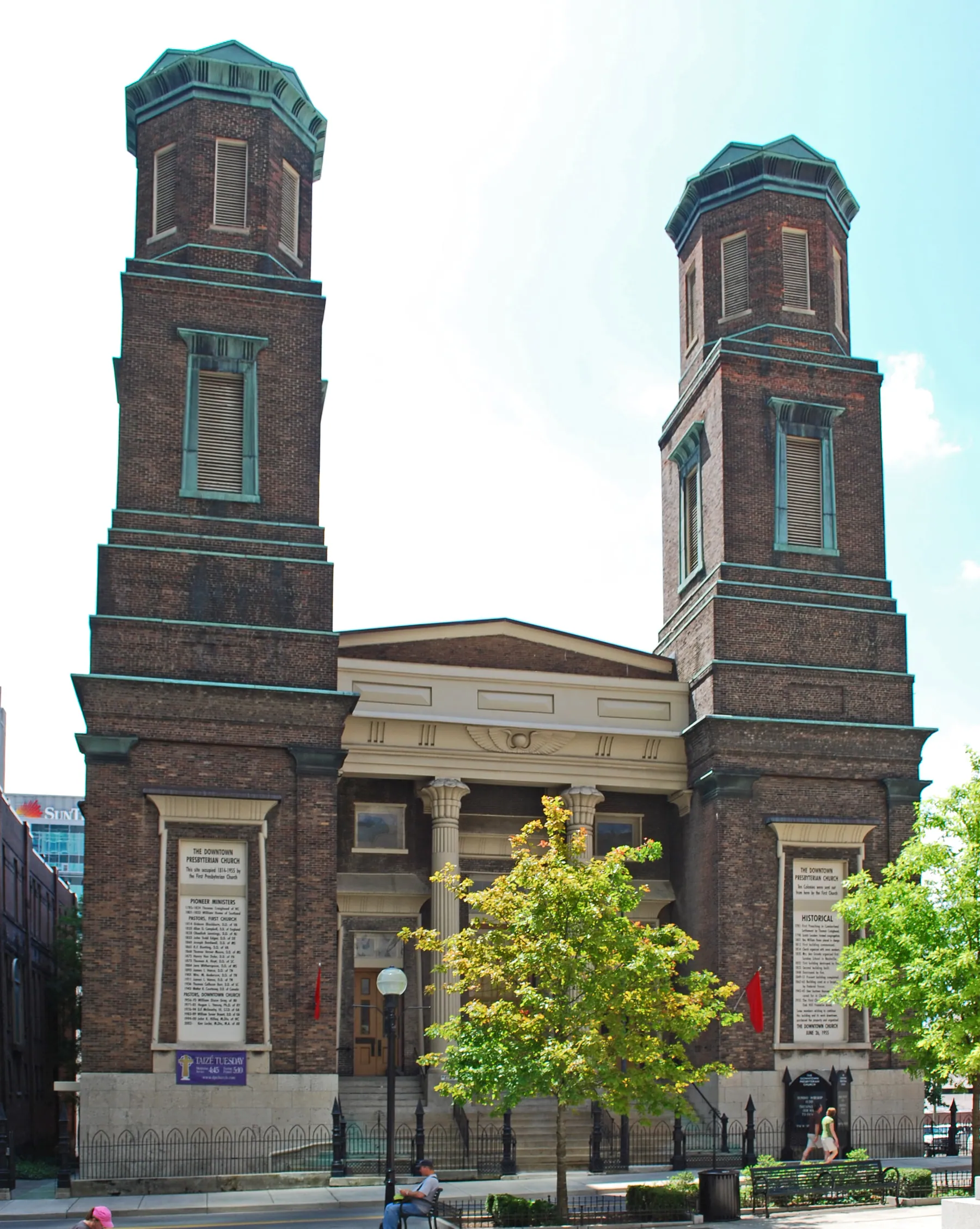
The Downtown Presbyterian Church, at the corner of Rep. John Lewis Way North and Church Street, is an Egyptian Revival church designed by William Strickland, the architect of the Tennessee State Capitol, after a fire in 1848 destroyed the church that stood here before. Presbyterians have worshiped on this corner since 1814, and the building is a National Historic Landmark.
Three churches on one corner
The first church on this corner, then called First Presbyterian Church of Nashville, was built in 1814. In 1815, after the Battle of New Orleans, the State of Tennessee presented General Andrew Jackson, a member of the congregation, with a ceremonial sword on the church steps.
That building was destroyed in 1832. A second church went up the same year, and James K. Polk was inaugurated as governor of Tennessee there. It burned in 1848.
Strickland's Egyptian Revival design
The congregation hired the Philadelphia architect William Strickland to design the present building. The church describes it as one of the finest surviving examples of Egyptian Revival church architecture in the nation. Inside, the stained glass windows, woodwork and wall paintings carry Egyptian motifs and scenes. A pipe organ was added in 1858.
Strickland was working on the Tennessee State Capitol at the same time. He died in 1854 and is buried in the Capitol's north facade, a few blocks west of the church.
Civil War hospital
During the Civil War, Federal forces seized the building and used it as a military hospital, Union Hospital No. 8, with 206 beds. Reparations paid after the war helped finish the building: the columns were completed in 1871, and the interior was redesigned in 1880.
The Downtown Presbyterian Church today
In 1954 and 1955, when the original congregation moved to the suburbs, the Downtown Presbyterian Church was established to keep serving the city from the historic building. It is an active congregation in the Presbyterian Church (USA), and its Sunday services are also streamed live on its website and YouTube channel.
The building was listed on the National Register of Historic Places on July 8, 1970, and named a National Historic Landmark on April 19, 1993. A restoration completed in 2001 repaired the sanctuary ceiling and lighting, including its sky panels. The church also runs an arts program, including the Browsing Room artist gallery, and hosts events during the Second Saturday Art Crawl.
How to visit
Tours are guided by church member volunteers and are for groups only.
- Groups need at least 10 people and no more than 50.
- Book at least two weeks ahead through the church's online form. Walk-up tours are not available.
- If you cannot join a group, the church invites visitors to its Sunday morning worship service, where members can answer questions about the building.
- A virtual tour of the building's history is on the church's website.
Questions
Can you go inside the Downtown Presbyterian Church?
Yes, on a guided group tour of 10 to 50 people booked at least two weeks ahead, or by attending Sunday worship. Walk-up tours are not offered.
Who designed the Downtown Presbyterian Church?
William Strickland of Philadelphia, who also designed the Tennessee State Capitol. He designed the church after the previous building burned in 1848.
Was the church used in the Civil War?
Yes. Federal forces seized it and ran it as Union Hospital No. 8, with 206 beds.
Is it still a working church?
Yes. The Downtown Presbyterian Church is an active Presbyterian Church (USA) congregation with Sunday worship, which is also streamed on its website and YouTube channel.
Sources
- History, The Downtown Presbyterian Church
- Tours, The Downtown Presbyterian Church
- The Downtown Presbyterian Church, official site
- Downtown Presbyterian Church (Nashville), Wikipedia
- Tennessee State Capitol, Wikipedia
Checked October 6, 2026.
Photo: Andrew Jameson, CC BY-SA 3.0, via Wikimedia Commons. Cropped.
More things to do
All 60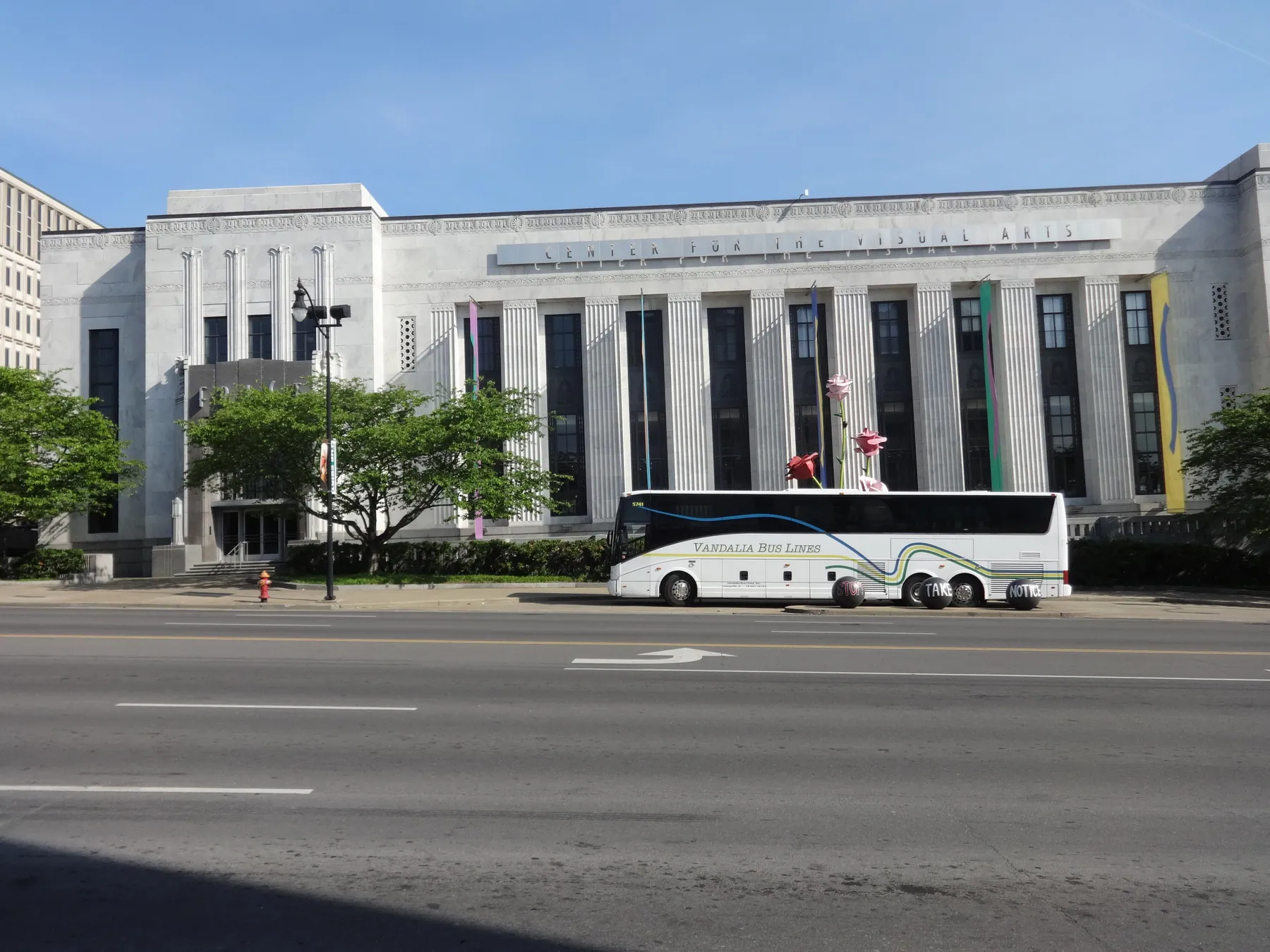
Frist Art Museum
The Frist Art Museum fills Nashville's old main post office at 919 Broadway, a marble building from 1934, with exhibitions it organizes or brings in from other museums.
Tennessee State Capitol
The Tennessee State Capitol sits on Capitol Hill at the north end of downtown, a Greek Revival building modeled on an Ionic temple and finished in 1859.
Bicentennial Capitol Mall State Park
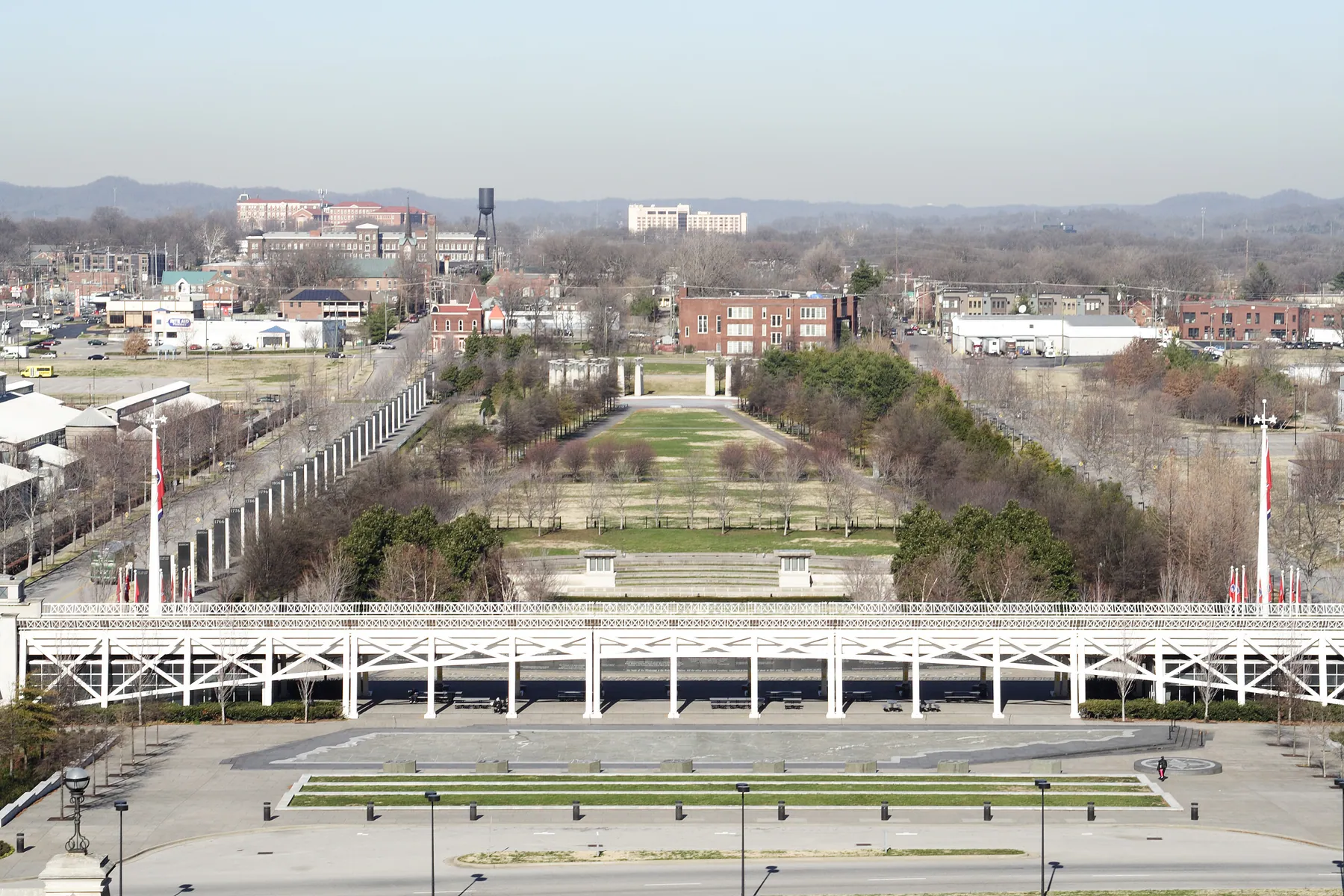
Bicentennial Capitol Mall State Park is a 19-acre park that runs north from the foot of the State Capitol, opened in 1996 for Tennessee's 200th birthday.