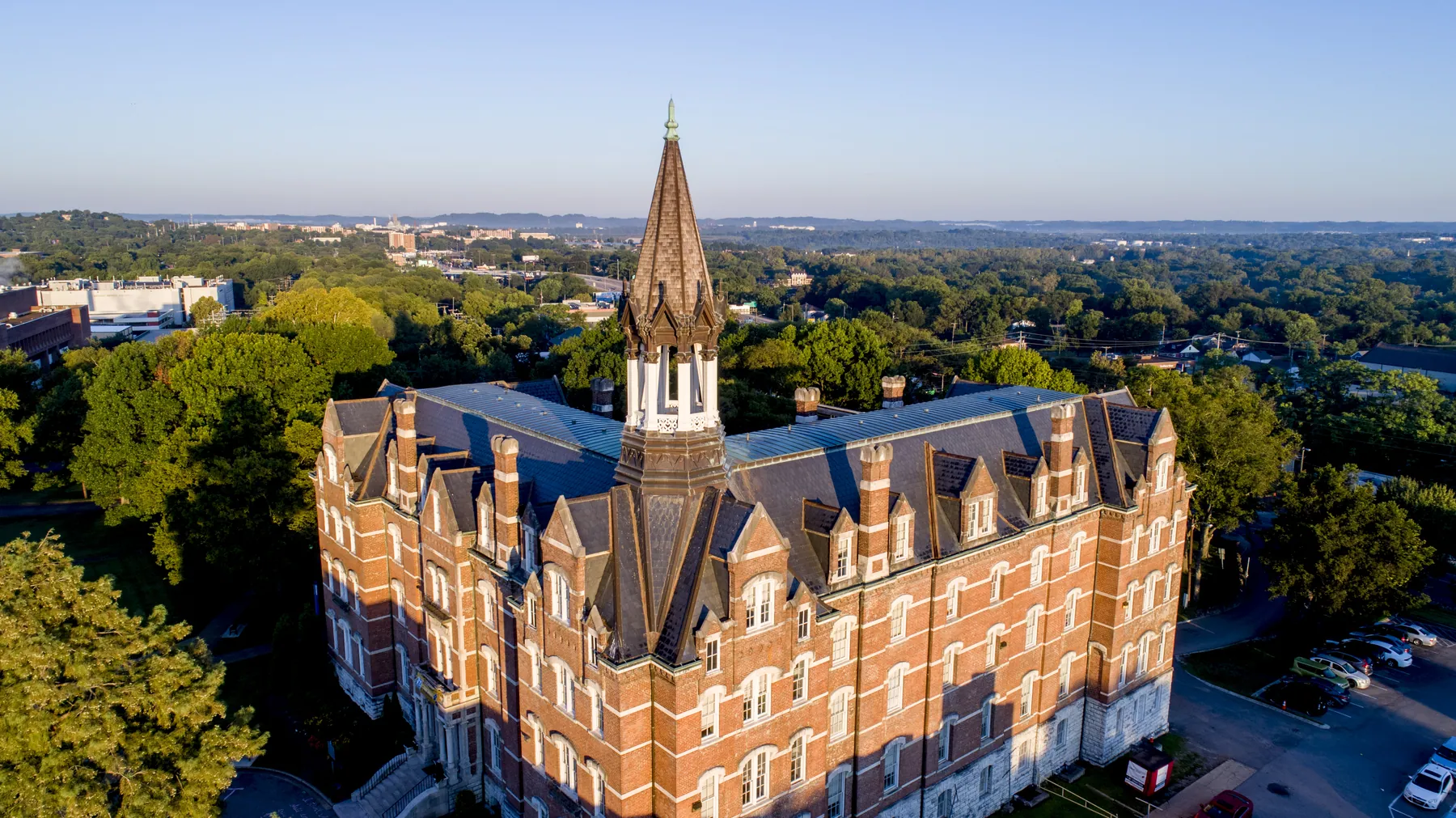
Jefferson Street and North Nashville
Jefferson Street, in North Nashville, grew into the center of the city's African American community, with three historically Black universities around it and a run of R&B clubs that drew Jimi Hendrix, Etta James and Little Richard. Today you come for Fisk University's historic campus, the Jefferson Street Sound Museum and the history of the street itself.
Getting there
Jefferson Street runs west from near the Cumberland River across North Nashville. From the lofts, Fisk University is about 1.9 miles away, roughly 5 minutes by car or a 38-minute walk. The Jefferson Street Sound Museum is about 2.1 miles, and Tennessee State University, at the western end of the street across Hadley Park, is about 3.7 miles, roughly 9 minutes by car.
How the street grew
Before the Civil War, Jefferson Street was a footpath from the Hadley plantation on the west to the Cumberland River on the east, later widened for wagons. It was named for President Thomas Jefferson. During the war it was straddled by Fort Gillem, a Union Army camp. After the war, Fisk University built its main building, Jubilee Hall, on the fort's site, Tennessee State University was built at the street's western tip, and by the 1930s Meharry Medical College had moved in west of Fisk.
By the 1920s and 1930s the street was a popular neighborhood for the Black middle class, with churches including Mount Zion Baptist Church, Pleasant Green Baptist Missionary Church and Jefferson Street Missionary Baptist Church. From the 1940s to the 1960s, clubs like the Del Morocco, the New Era Club, Maceo's, Club Baron and Club Stealaway booked Jimi Hendrix, Etta James, Ray Charles, Little Richard, Otis Redding and Billy Cox.
During the civil rights movement, activists planned the Nashville sit-ins on Jefferson Street with support from its business owners and residents. In the late 1960s, Interstate 40 was built across the street. Residents formed the I-40 Steering Committee and sued in October 1967, but the courts ruled against them, and the Supreme Court declined the case on January 29, 1968. The highway split the community and many residents were displaced to the Bordeaux area.
Fisk University
Fisk was founded in 1866, and its 40-acre campus, about two miles northwest of downtown, is a historic district listed on the National Register. In 1871 the student choir, the Fisk Jubilee Singers, went on tour to raise money for the struggling school. They sang across the United States and Europe, raised nearly $50,000 and paid for Jubilee Hall, completed in 1876, the oldest permanent building for the higher education of African Americans in the United States.
Cravath Hall, finished in 1930, holds a series of murals by Harlem Renaissance painter Aaron Douglas. The Carl Van Vechten Gallery, built in 1888 as the school's gymnasium, houses the Stieglitz Collection: 101 works by artists including Cezanne, Renoir, Picasso and Georgia O'Keeffe, who donated them to Fisk in 1949. Check Fisk's site before you go, since it is a working campus.
Meharry and Tennessee State
Meharry Medical College was founded in 1876 as the medical department of Central Tennessee College and was the first medical school for African Americans in the South. Tennessee State University was founded in 1912 and is the only state-funded historically Black university in Tennessee. Its band is the Aristocrat of Bands, and its best-known graduate is Oprah Winfrey.
The Jefferson Street Sound Museum
At 2004 Jefferson Street, founder and curator Lorenzo Washington has run the Jefferson Street Sound Museum since 2011, preserving the street's music from the civil rights era through the 1970s. It keeps limited public hours and also opens by appointment, so check its site before you drive over. For a bigger view of the same history, the National Museum of African American Music downtown was chosen in 2017 to tell the story of Jefferson Street's music.
When to go
Go in daylight, start at Fisk to see Jubilee Hall and Cravath Hall, then drive west along Jefferson Street to the Sound Museum. Visit Music City also points to Buchanan Street, which has seen a surge of development in recent years, as another stop in North Nashville.
Questions
What is the connection between the Fisk Jubilee Singers and Jubilee Hall?
The choir's 1871 tour raised nearly $50,000, which paid for Jubilee Hall, completed in 1876.
How far is Jefferson Street from the lofts?
About 2 miles. Fisk University is roughly 5 minutes by car, and Tennessee State University is about 9 minutes.
Can I visit the Jefferson Street Sound Museum any day?
It keeps limited hours and also opens by appointment. Check its site or call ahead before you go.
Sources
- Jefferson Street (Nashville), Wikipedia
- Fisk University, Wikipedia
- Meharry Medical College, Wikipedia
- Tennessee State University, Wikipedia
- Jefferson Street Sound Museum
- Visit Music City, North Nashville
Checked October 6, 2026.
Photo: Fhaywood25, CC BY-SA 4.0, via Wikimedia Commons. Cropped.
More neighborhoods
All 16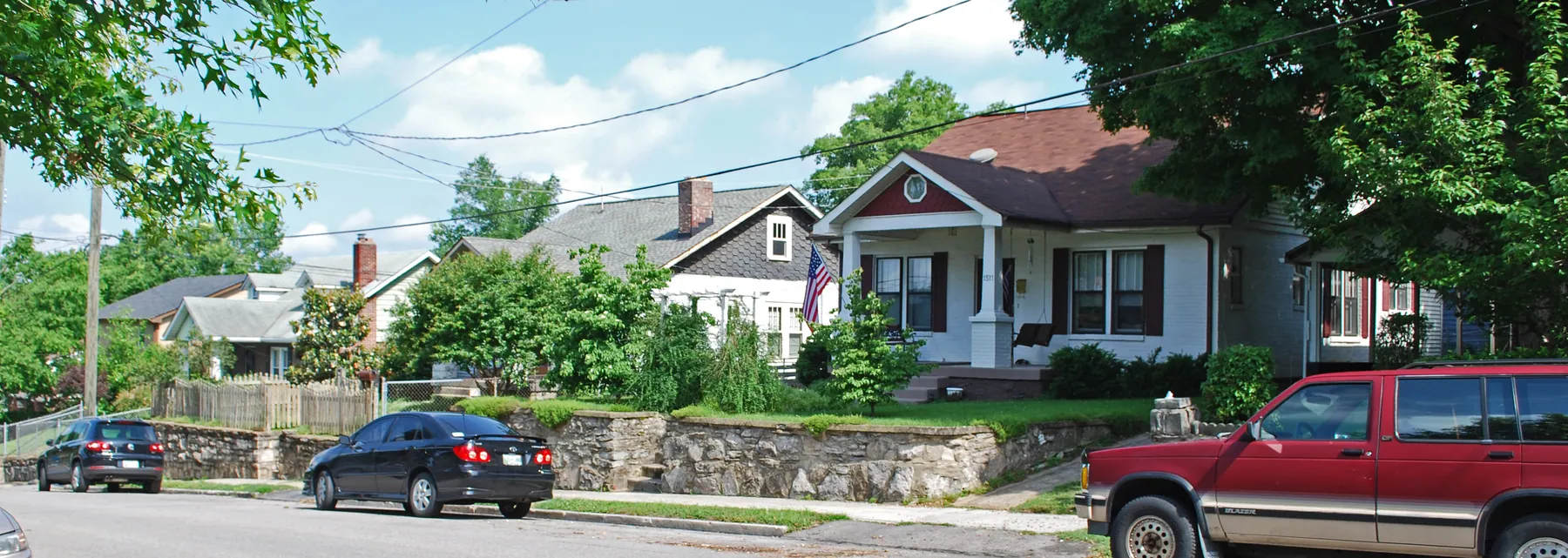
East Nashville
East Nashville is the mostly residential side of the city across the Cumberland River from downtown, with historic homes from the early 1900s, neighborhood restaurants, dive bars, record stores and music venues.
Five Points
Five Points is the small commercial crossroads at the center of East Nashville, where Woodland, Clearview and 11th streets meet.
Lockeland Springs
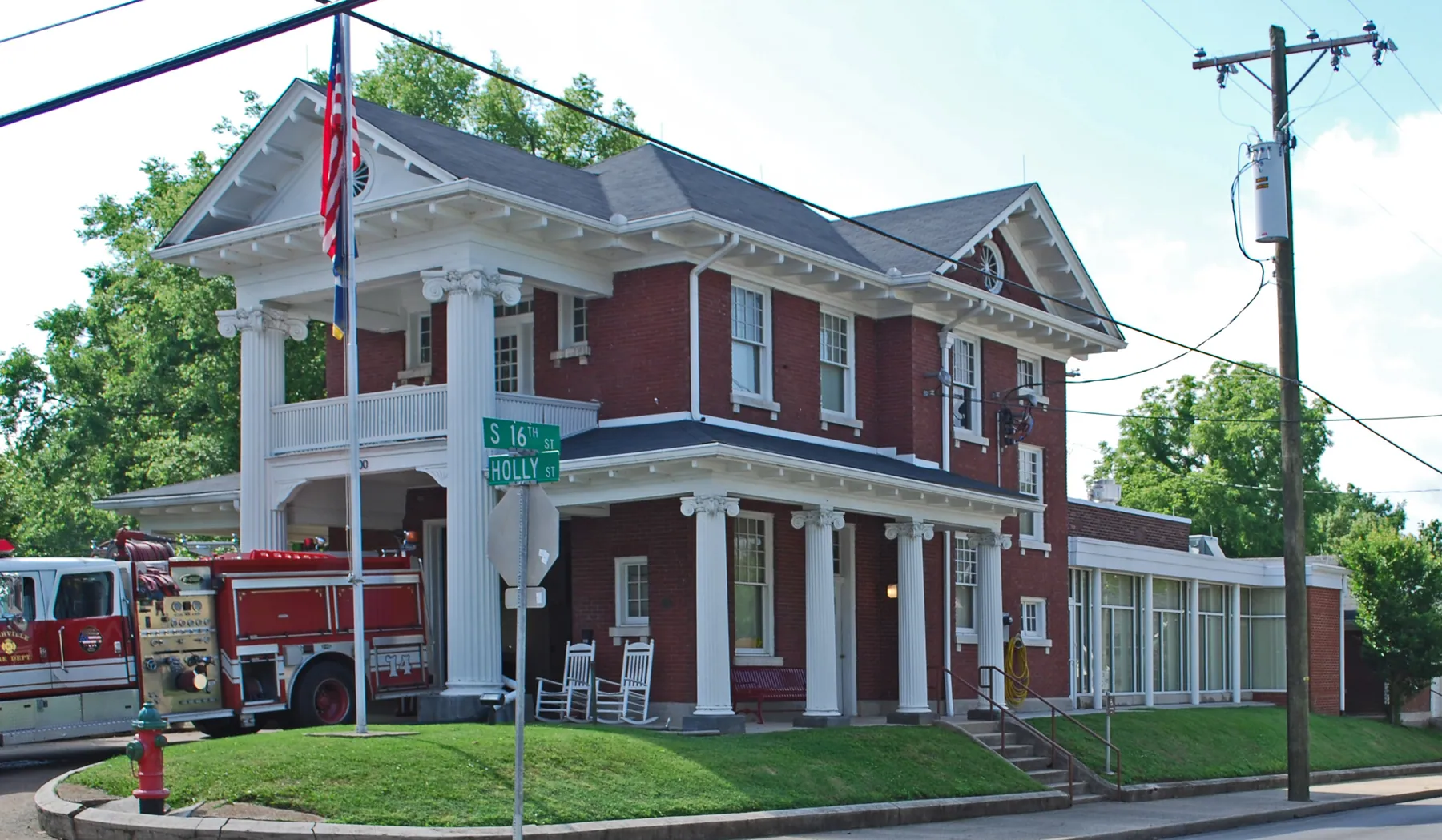
Lockeland Springs is a streetcar suburb of Victorian and Craftsman homes about two miles northeast of downtown, on the east side of the Cumberland River and next to Shelby Park.